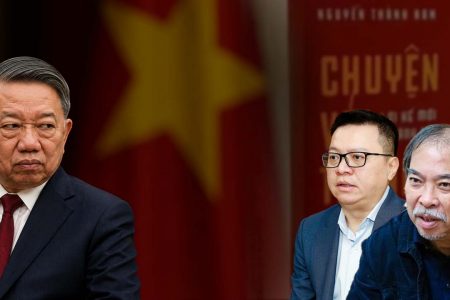
The staggering gap between gasoline prices in the United States (22,000 VND per liter with an income of 130 million VND) and in Vietnam (28,000 VND per liter with an income of 8 million VND) is not merely an economic issue.
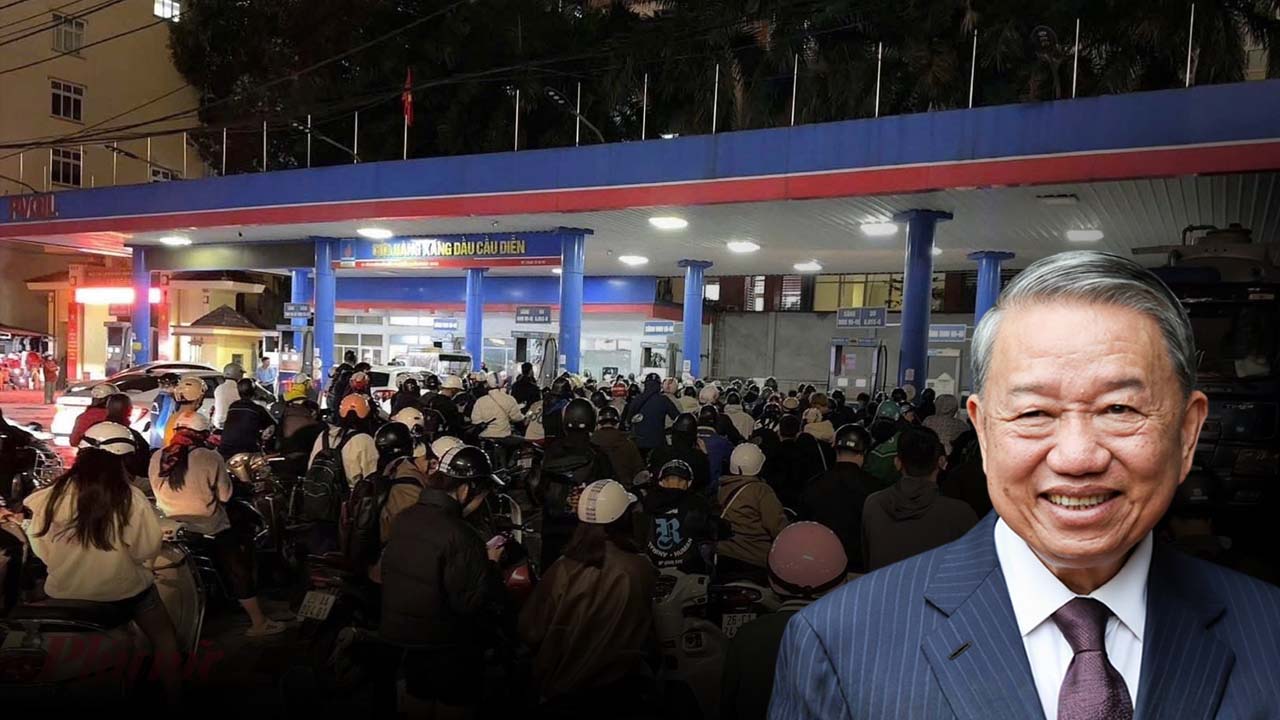
It is a systematic campaign to wear down the people’s strength. The fact that global oil prices have dropped sharply while domestic gasoline prices have moved in the opposite direction, rising by an additional 2,000 VND per liter today, is the final blow in a ruthless scheme of financial extraction.
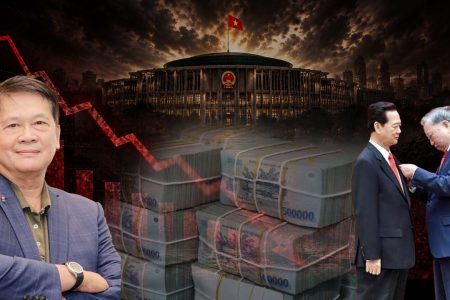
In reality, this price of 28,000 VND does not reflect the value of the commodity itself, but rather a kind of “compulsory contribution tax” to sustain an increasingly bloated security apparatus. As the national budget is drained by loss-making mega-projects and the costs of maintaining Tô Lâm’s power, fuel has become the most accessible open-air ATM to exploit.
Factional interest groups have taken advantage of the reduction of import tariffs to 0% to quietly pocket the entire margin, turning the suffering of the poor into enormous profits for crony companies.
This is a strategy of “impoverishment as a means of control”: when a worker must spend up to one-third of their income just to travel, they lose both the ability to save and the will to resist. Every additional 2,000 VND increase means one less meal for the poor, but more funding for Tô Lâm to upgrade surveillance systems. A nation exhausted economically is a nation most easily controlled in the hands of a new dynasty.
Tôi cũng có thể dịch theo giọng trung tính hơn hoặc tự nhiên hơn kiểu bài báo tiếng Anh.