On January 30, 2026, Vietnam’s state-run media simultaneously reported on a legal development seen as potentially explosive for Vietnam–U.S. relations.
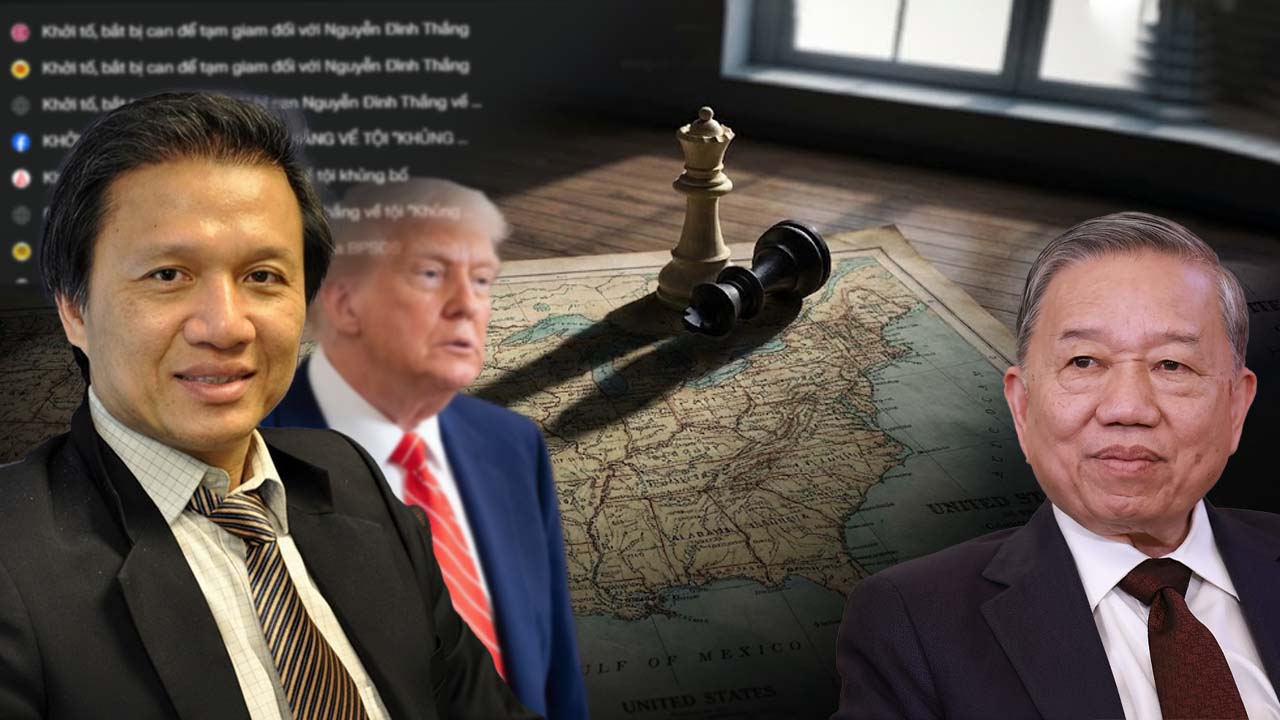
The Investigation Security Agency of the Ministry of Public Security officially initiated criminal proceedings, naming Dr. Nguyễn Đình Thắng—a U.S. citizen and head of the U.S.-based organization Boat People SOS (BPSOS)—as a defendant, and issued a pre-trial detention order for him.
He is accused of directing and assisting terrorist activities in Đắk Lắk Province through an individual named Y Quynh Bdap.
According to international observers, this move by Vietnam’s Ministry of Public Security is not merely a routine step in a criminal case. It signals that Hanoi has made a fundamental shift in its security and foreign-policy tactics: from defense to a direct offensive against overseas networks advocating for human rights and religious freedom.
For decades, Vietnam’s response to BPSOS reports on human-rights violations typically stopped at rebuttals or denials through the state media apparatus. However, officially branding Dr. Thắng—an American citizen—as a “terrorist” under Article 113 of Vietnam’s Penal Code marks an entirely new escalation.
By criminalizing BPSOS’s activities, Hanoi is attempting to change the nature of its dialogue with Washington. It no longer treats Dr. Thắng’s work as “dissent,” but reframes it as an “especially dangerous” criminal offense. This tactic targets Dr. Thắng’s personal credibility and delivers a blunt message: the individuals the United States listens to and cooperates with are, in Vietnam’s view, masterminds of violence under Vietnamese law.
This creates a major legal and moral challenge for the United States in protecting its citizen against politically colored allegations from Vietnam—now described as a comprehensive strategic partner.
BPSOS’s real strength lies not in isolated political statements, but in its ability to provide legal training and advocacy skills to religious groups and ethnic minorities in Vietnam via online platforms. Labeling Dr. Thắng as a “terrorist” lays a massive legal trap for individuals and civil-society organizations inside Vietnam.
In effect, anyone who receives documents, joins discussions via Zoom, or maintains contact with BPSOS networks could face accusations of supporting terrorism, combined with the charge of “activities aimed at overthrowing the People’s government.”
This is a strategy of total isolation—weaponizing fear to pressure domestic civil-society groups to sever all international support in order to protect their own legal safety. International analysts argue that Hanoi is seeking to cut off any “extended arms” of overseas organizations at the earliest stage by deploying the harshest criminal penalties available.
General Secretary Tô Lâm appears to be testing Washington’s limits: will U.S. leaders persist in defending their citizen on the basis of free speech, or will they acquiesce in order to preserve stability in the strategic relationship with Vietnam?
This episode also reflects a new security-governance mindset in Tô Lâm’s “new era,” where political stability is prioritized above all else, and any involvement under the banner of human rights is deemed unacceptable. Following a series of prosecutions involving dissident figures holding foreign citizenship—such as Lê Trung Khoa, Đào Minh Quân, and others—the prosecution of Dr. Nguyễn Đình Thắng, the head of BPSOS, raises the question: could this be the beginning of a turbulent new chapter in Vietnam–U.S. relations?
Trà My – Thoibao.de